A reconstruction proposition for the new Gaza framework.
Gaza is at the centre of the agenda — personally, because Gaza is where the founder's family is from, and operationally, because Safad already has the supply chains, the contracted experience and the people that the rebuild will need. The platform is positioning to engage the new governance and stabilization framework — UN Security Council Resolution 2803, the International Stabilization Force, and the Board of Peace — as a credible, founder-led, social-enterprise operating partner.
Two dimensions, one position.
Mission Gaza is not a campaign or a marketing line. It is the alignment of a personal story and an operating record, and that alignment is what makes Safad's positioning on Gaza serious.
Where the founder's family is from.
The Safad family carries the name of the historic Palestinian town of Safad and was displaced from Gaza in the late 1970s. Ibrahim AlSafadi was born after that displacement and raised in Tabook, Saudi Arabia, where the family rebuilt from scratch.
The company carries the family name and the family memory. The work it has chosen — bread inside refugee camps, supply lines into besieged populations, mission infrastructure under live conflict — reflects what that displacement taught.
Gaza is not a market opportunity. It is the foundation of how Safad works.
The platform reconstruction will need.
Safad is already operating into Gaza. After October 2023, the platform sourced and consolidated more than 15,358 metric tons of food commodities in Egypt and Jordan and moved them into Gaza through the Arish–Rafah corridor for the World Food Programme — under severe access constraints and at full UN procurement standards.
The same platform has run camps for UN peacekeeping missions for eight consecutive years, operates industrial bakeries for over five thousand consecutive days, and delivers engineering and construction in austere environments.
The supply chains, the people, the contracted experience — they are already in place.
The institutional architecture Safad is positioning to engage.
Following the United Nations Security Council's adoption of Resolution 2803 on 17 November 2025, a new institutional framework is being assembled to govern, stabilize and reconstruct the Gaza Strip. Safad is positioning to engage every layer of that framework as an institutional operating counterpart.
Resolution 2803 (2025)
The Security Council resolution that endorses a comprehensive plan to end the Gaza conflict, authorises a temporary International Stabilization Force, and welcomes the establishment of the Board of Peace — providing the legal and political authorisation for the post-ceasefire architecture.
Reference: UN Security Council Resolution 2803, adopted 17 November 2025 by 13 votes in favour to none against, with 2 abstentions. Authorisation period through 31 December 2027, subject to further Council action.
International Stabilization Force (ISF)
A temporary multinational force authorised to secure Gaza's streets, oversee demilitarisation, protect civilians and escort humanitarian aid through safe corridors. Coordinates with regional partners on border security and supports the phased transition to a vetted Palestinian police function.
The ISF and the wider international civil and security presences are authorised through 31 December 2027 under Resolution 2803.
Board of Peace (BoP)
An international body established to set the framework and steward funding for Gaza redevelopment. The Board works alongside a Palestinian-led technocratic body — the National Committee for the Administration of Gaza — which is intended to lead on day-to-day reconstruction and humanitarian relief, supervised by the Board.
Resolution 2803 welcomes the establishment of the Board of Peace and its role in the comprehensive plan to end the Gaza conflict.
Operating counterparts on the ground
Above the security and governance layers sits the institutional layer — UN agencies, donor governments, multilateral funders and reconstruction trust funds. Below that sits the delivery layer, where mission-aligned operating companies actually source, build, run and report. Safad is positioning as a credible, audit-ready, founder-led counterpart in that delivery layer.
An institutional, founder-led, social-enterprise operating partner — ready when the framework is.
The framework will only deliver if the delivery layer beneath it can absorb the work at scale, at standard, and on time. Safad is positioning to be one of the operating partners that meets that requirement — with the BVI/Jordan corporate structure, the UN procurement track record, and the founder-led discipline that institutional reconstruction will require.
The Gaza work is operational, not aspirational.
Safad's Gaza positioning is not a slide in a deck. It is anchored in a contracted, ongoing engagement with the World Food Programme since October 2023.
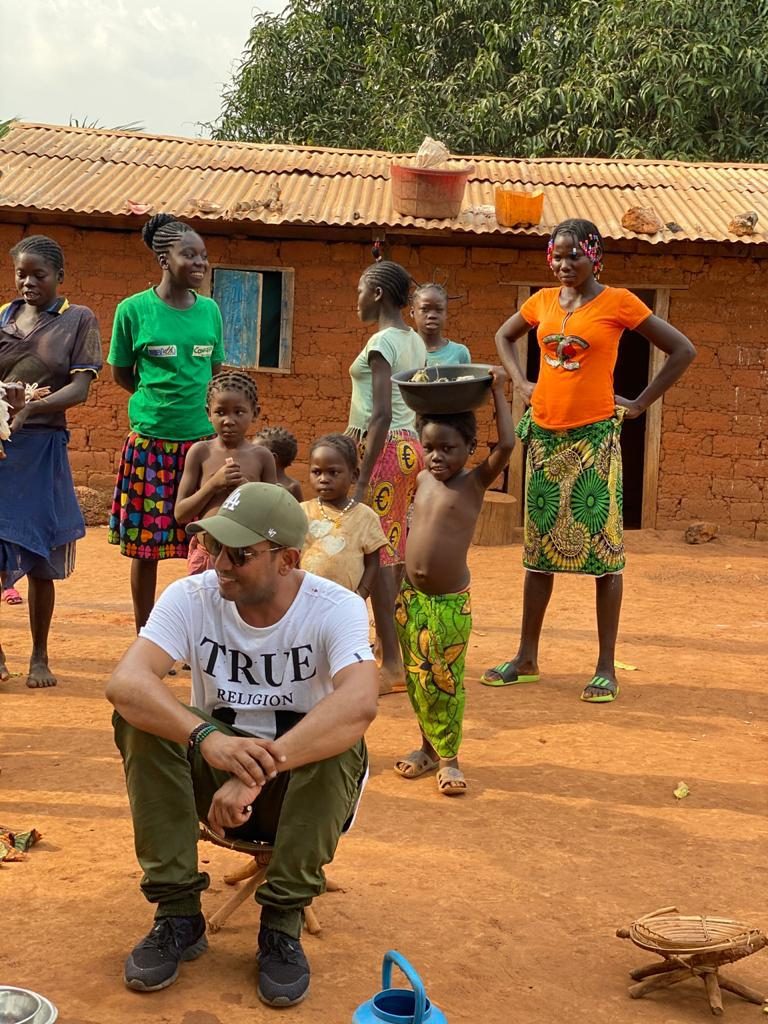
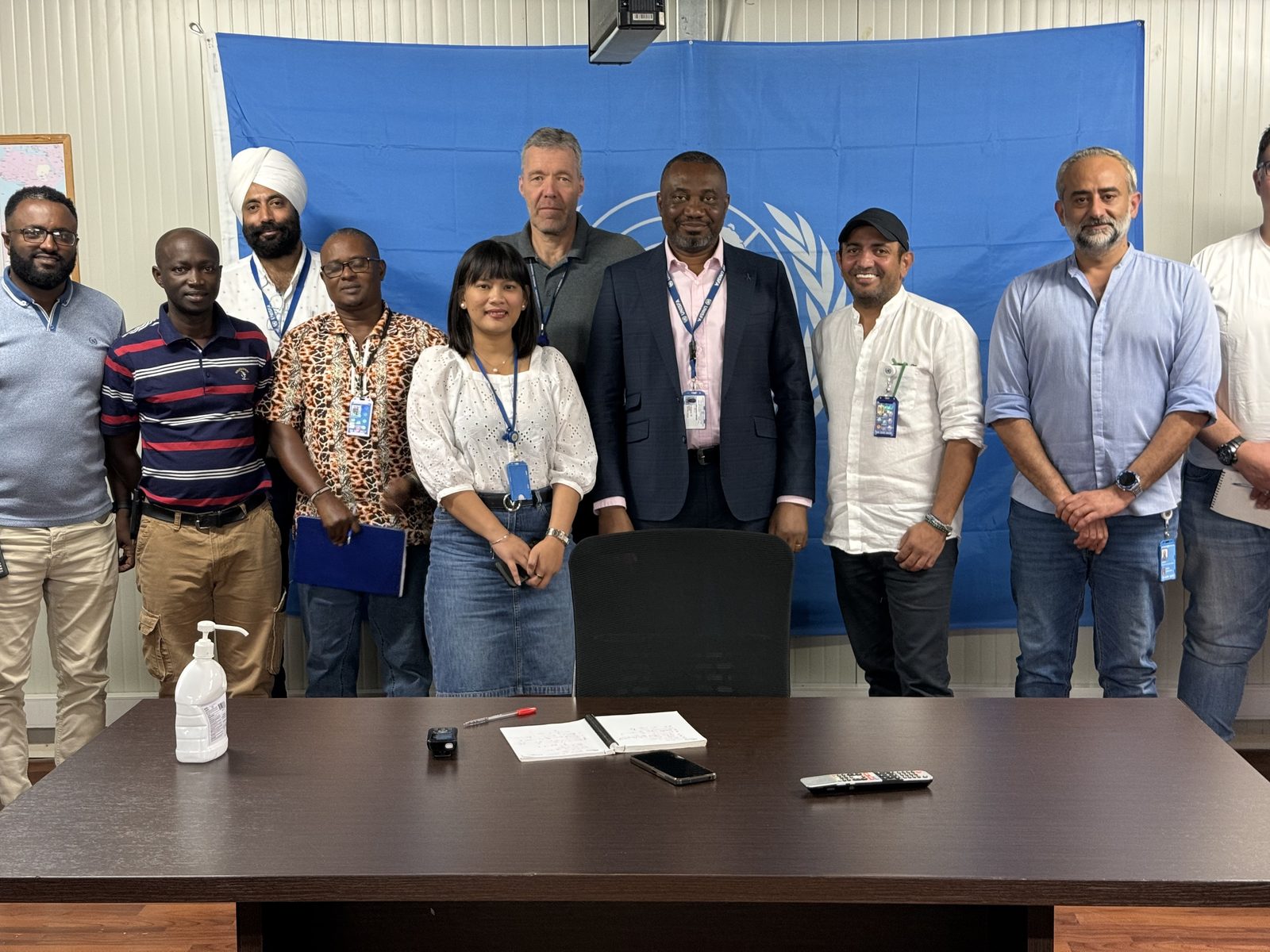
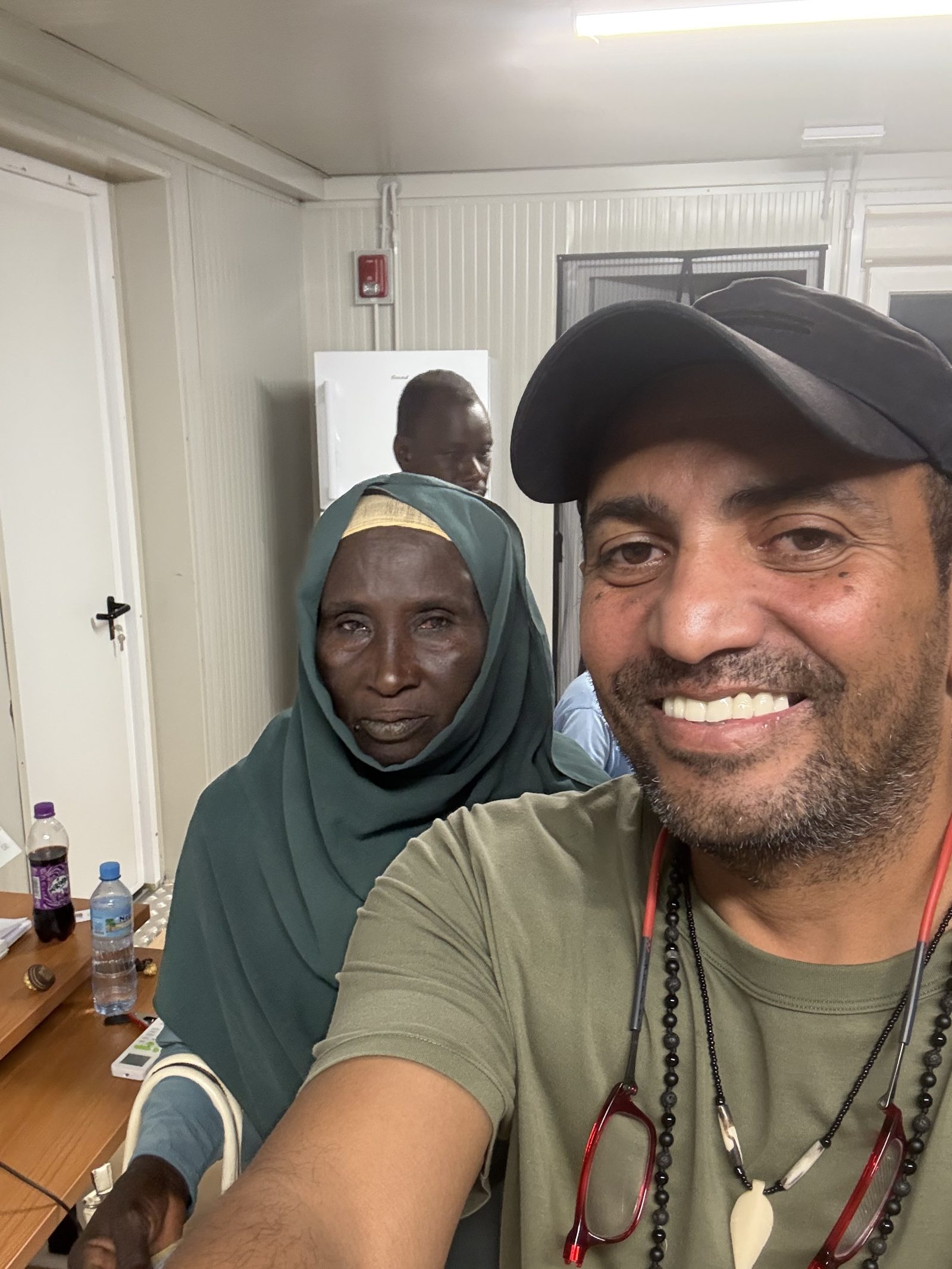
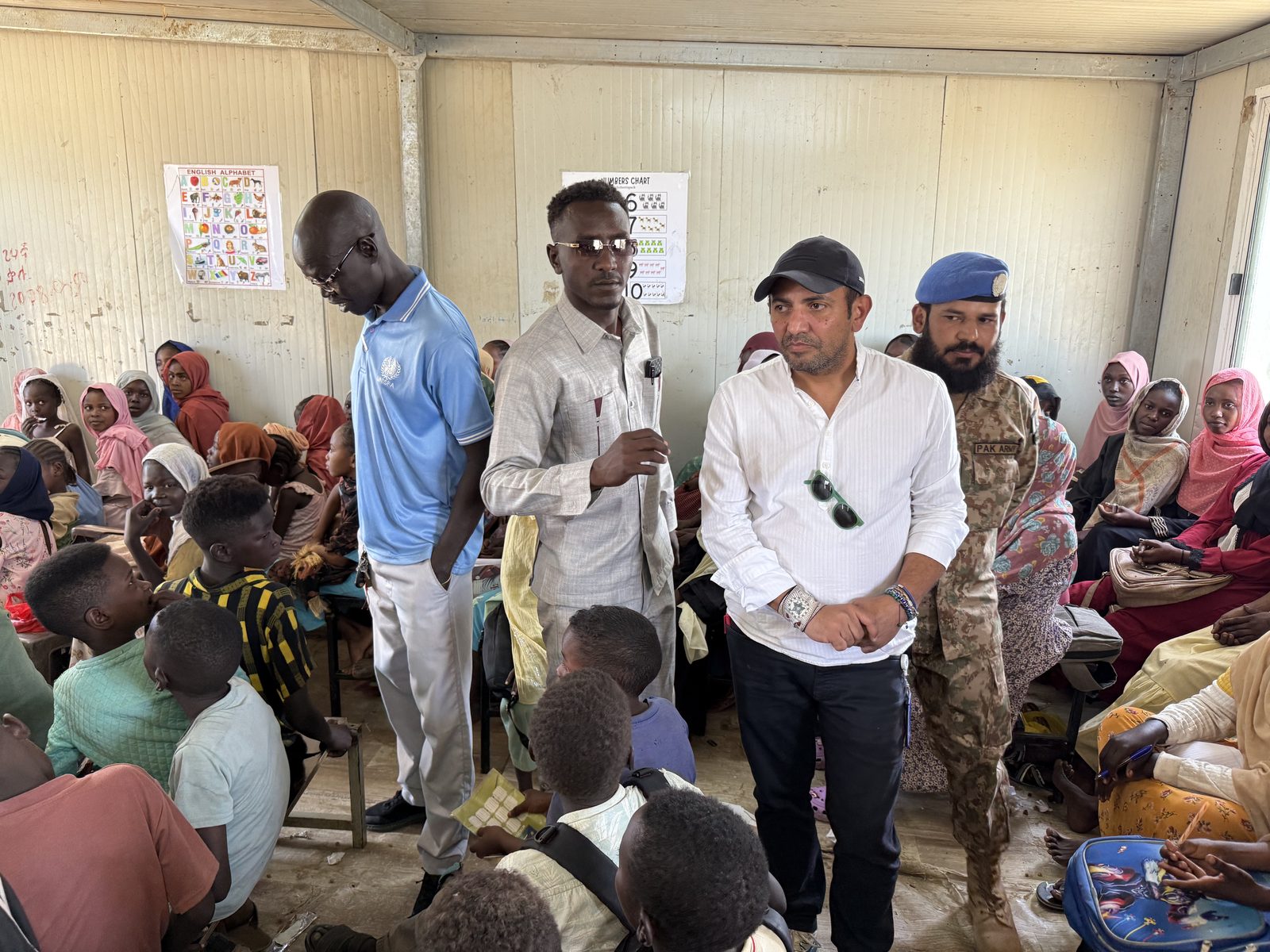
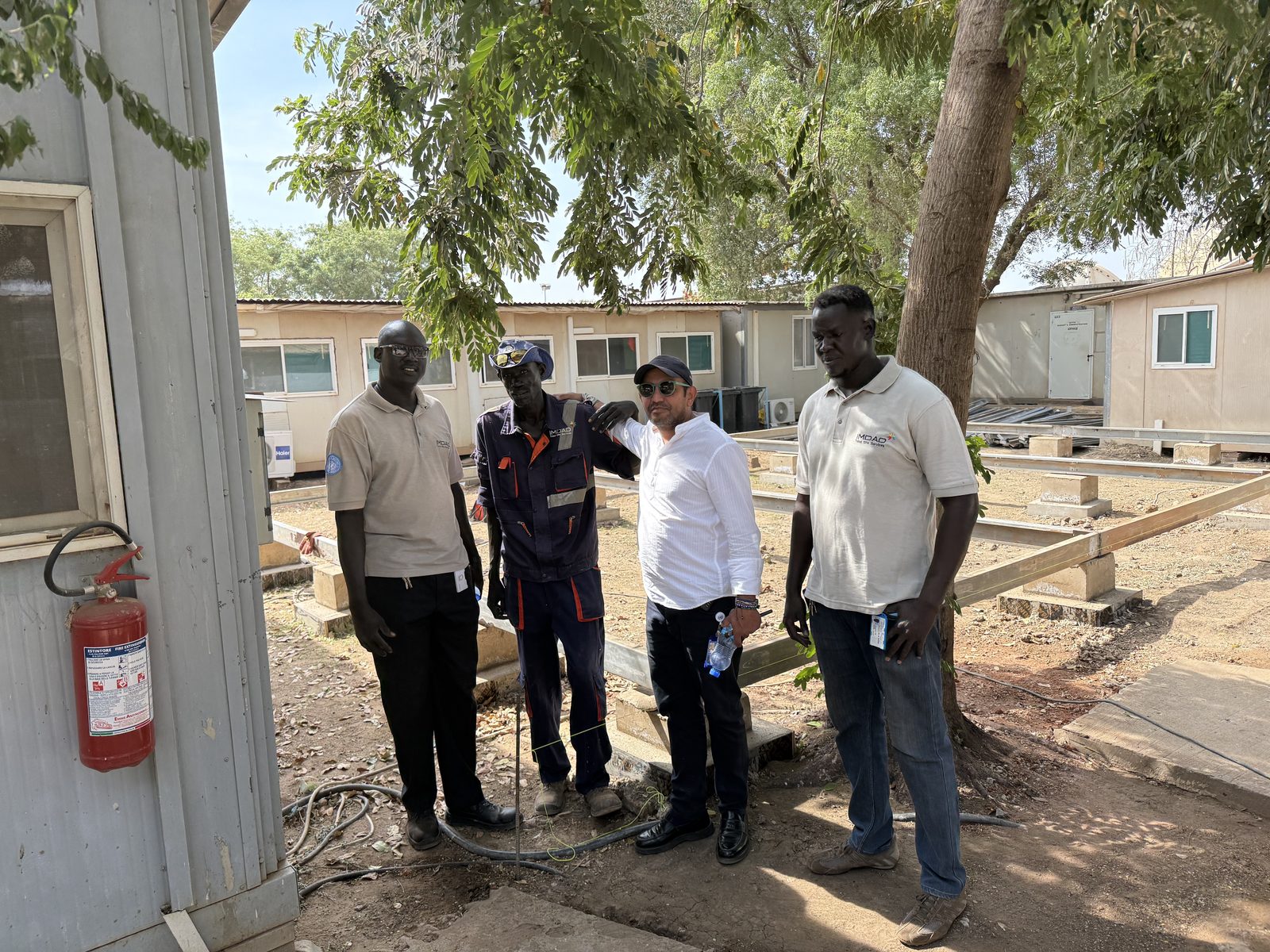
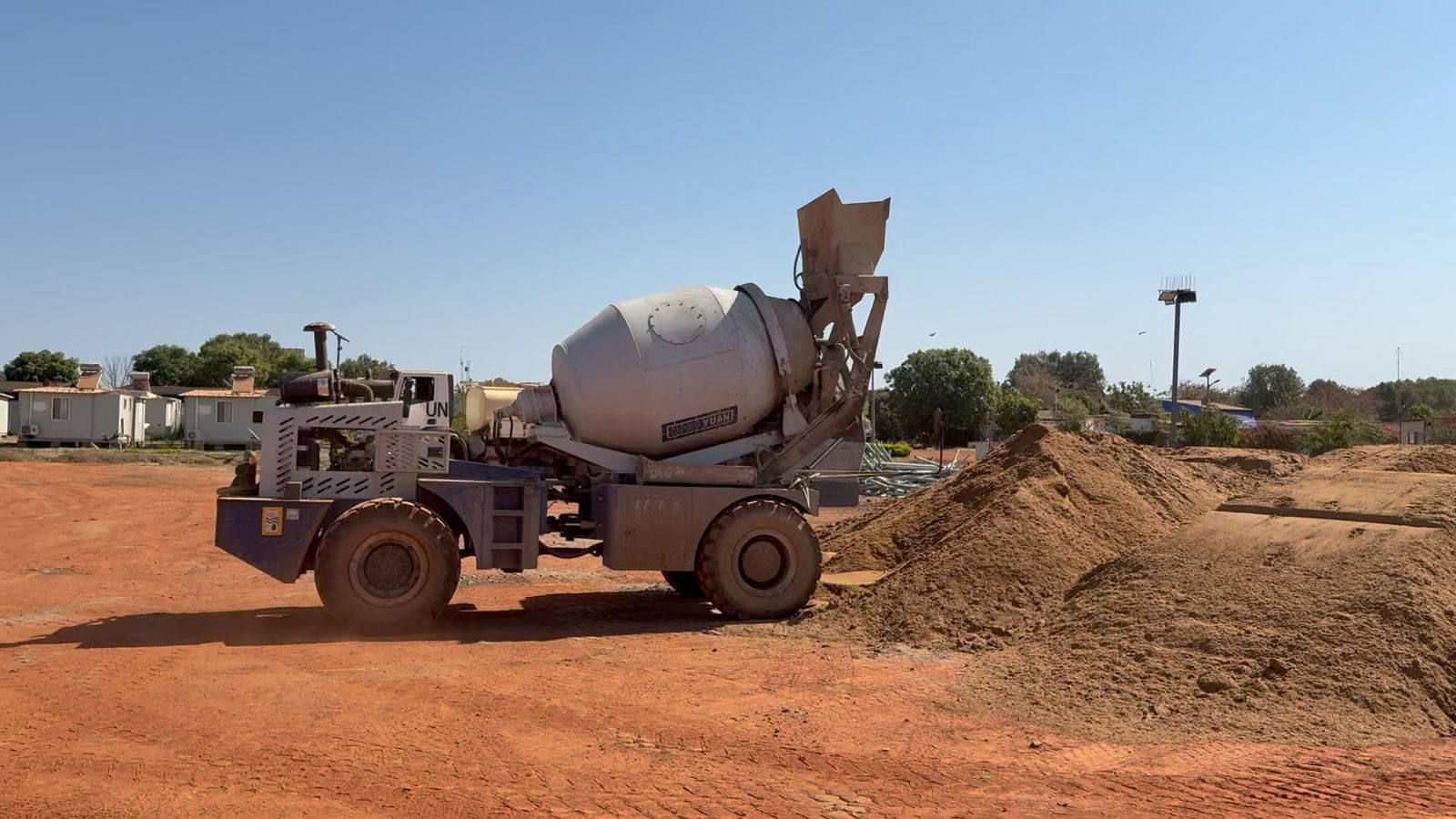
WFP Gaza Emergency Response — operational since October 2023.
USD 25.54 million in food commodities — 15,357.937 metric tons of fortified wheat flour, ready-to-eat rations, tuna, beans, sugar, yeast and related items — sourced and consolidated in Egypt and Jordan and moved into Gaza through the Arish–Rafah corridor under the World Food Programme's Regional Bureau Cairo emergency response.
The work proceeds under severe access constraints, with close coordination between Safad, WFP and Egyptian authorities. Documentation — purchase orders, delivery notes, performance reports, payment records — is institutional-grade and available for verification under appropriate confidentiality.
Four phases. One operating platform. End-to-end involvement.
Safad is not pitching a single procurement. We are positioning to be involved across the full arc of the rebuild — from emergency relief that is already running, through stabilization, into reconstruction and long-term sustainable operations — under one accountable counterpart and one quality regime.
Emergency humanitarian response.
What we are already running. Continues and scales as access widens.
- Cross-border food-commodity pipelines through the Arish–Rafah corridor.
- Pre-packed family food parcels and ready-to-eat rations at scale.
- Hygiene kits and dignity kits for women, children and vulnerable groups.
- Protection-related items in coordination with UN protection mandates.
- Sourcing and consolidation hubs in Egypt and Jordan.
Transitional camps, food and continuity.
Daily essentials and dignified shelter while the political and security framework settles.
- Transitional accommodation and prefab modules for displaced families and operating teams.
- In-camp industrial bakeries — the Zaatari/Azraq model, adapted for Gaza.
- WASH, water, wastewater and sanitation infrastructure for camps and stabilization sites.
- Camp management and total site services with one accountable counterpart.
- Coordination with the ISF on safe-corridor access for aid and operating supplies.
Sustainable infrastructure, built to last.
Permanent infrastructure designed with sustainability and host-country sourcing at the centre.
- Camp and community-scale water and sanitation networks, including water reuse and efficiency.
- Renewable-energy-integrated power and fuel infrastructure, building on Dokura Smart Camp.
- Civil works, roads, drainage and perimeter protection.
- Permanent bakeries, food-production facilities and cold-chain infrastructure.
- Mission and humanitarian facilities — kitchens, laundries, ablutions, clinics — built to UN technical standards.
- Smart monitoring features for utilities, waste and water systems.
Jobs, supply chains and dignified work.
Where reconstruction stops being a project and becomes an operating economy.
- Local sourcing strategies that build Gaza and host-country supply chains.
- Decent-work programmes for Palestinian youth, women and host-community workers.
- Skills, vocational training and education-for-employment partnerships, leveraging the founder's two-decade workforce-development record.
- Multi-year operations, maintenance and reporting under one accountable counterpart.
- Audit-ready financial reporting and KPI dashboards for funders, governance bodies and reconstruction vehicles.
What sustainability looks like in our work.
Sustainability inside Safad is not a marketing chapter. It is how we propose to build, source and operate so that what is reconstructed actually lasts, employs locally, and treats environmental and social cost as a real constraint.
Water reuse & efficiency
Treated- and untreated-water distribution, irrigation systems, sewage manholes, lift stations and stormwater management — designed for reuse where possible and operated with monitoring, not just installed and walked away.
Renewable-integrated energy
Generators and fuel infrastructure planned for staged transition to renewable-integrated power, using the Dokura Smart Camp utility-monitoring template as the engineering baseline.
Local sourcing
A deliberate sourcing strategy that builds Gaza and host-country supply chains rather than displacing them — food staples, construction inputs and operating supplies routed through local and regional suppliers wherever specifications allow.
Dignified work
Decent-work standards in hiring, with a deliberate focus on Palestinian youth, women and host-community workers. Skills and training built into operating contracts as a deliverable, not an afterthought.
Waste-management discipline
Dedicated waste-management facilities, environmental services and pest control as part of every camp and operating site — the standard already proven at Dokura and across the IMDAD operating record.
Long-horizon operations
Multi-year operating contracts so that what is built has the maintenance, the staffing and the institutional discipline behind it to actually function for the years it is meant to last.
How a social enterprise integrates with international stabilization and reconstruction.
Safad is built on the conviction that profit and purpose are the same act. We want Gaza reconstruction to demonstrate, in practice, how a founder-led, mission-aligned operating company can integrate with international stabilization, governance and reconstruction structures — and deliver measurable social outcomes alongside contracted technical scope.
Mission-aligned
Every contract is judged by whether it preserves and restores dignity for the people it serves — not only by margin and milestone.
Operationally serious
Audit-ready financial reporting, governance, compliance and reporting at the standard the UN system, donors and reconstruction vehicles require.
Locally rooted
Hiring, sourcing and skills-development built into the operating contract, so the social return is structural, not philanthropic.
Counterpart-ready
A single accountable counterpart for the institutional bodies — the ISF, the Board of Peace, the National Committee, UN agencies and reconstruction funders.
Who we are positioning to work with.
Safad is configured to engage every layer of the new Gaza framework — security, governance, multilateral funding, host-region partnership and humanitarian response — as an institutional operating counterpart.
International Stabilization Force (ISF)
Operating partner for safe-corridor logistics, camp and site services for ISF deployment, and engineering support to ISF facilities.
Board of Peace (BoP)
An operating counterpart for reconstruction programmes coordinated through the Board, including infrastructure, food systems and humanitarian supply.
National Committee for the Administration of Gaza
A delivery partner for the Palestinian-led technocratic body responsible for day-to-day reconstruction and humanitarian relief, supervised by the Board of Peace.
UN agencies
WFP, UNICEF, UNHCR, OCHA, UNDP, UNRWA and the wider UN system — across emergency response, recovery and reconstruction phases.
Donor governments
Bilateral donors funding humanitarian response, recovery and reconstruction in Gaza, including through trust funds and direct contracting.
Host-region governments
The Hashemite Kingdom of Jordan and the Arab Republic of Egypt as the host countries through which Gaza supply lines run — and Safad's home base.
Multilateral funders
The World Bank, the Islamic Development Bank, the IFC and other multilateral institutions financing Gaza recovery and reconstruction.
Reconstruction trust funds
Trust funds, special-purpose reconstruction structures and consortia being assembled to coordinate and channel rebuild capital.
Foundations & private capital
Private foundations, philanthropic capital and aligned investors looking for an operationally credible, audit-ready Gaza counterpart.
I was born after my family was displaced from Gaza. That is not background about me — it is the foundation of how Safad works, and it is why we are positioning to be one of the operating partners the rebuild will need.
One conversation, one accountable counterpart.
Gaza is led personally from the Office of the General Manager. There is no committee to navigate, no business-development layer to translate through.
Office of the General Manager — direct engagement.
For the International Stabilization Force, the Board of Peace, the Palestinian National Committee, UN counterparts, donor agencies, multilateral funders, foundations and reconstruction vehicles, the entry point is direct contact with the Office of the General Manager. From the first conversation, Safad can scope the engagement — humanitarian phase, stabilization phase, reconstruction phase or long-term operations — and move from scope to signed contract on a defined timeline.
Safad is configured to engage as an institutional counterpart, with the documentation, governance and reporting layer that Gaza-relevant procurement and audit will require. References from existing UN counterparts are available on request, under appropriate confidentiality.
With bread, water and continuity.
Gaza is the centre of the agenda. The platform is in place. The conversations that turn that platform into reconstruction work happen one counterpart at a time.